
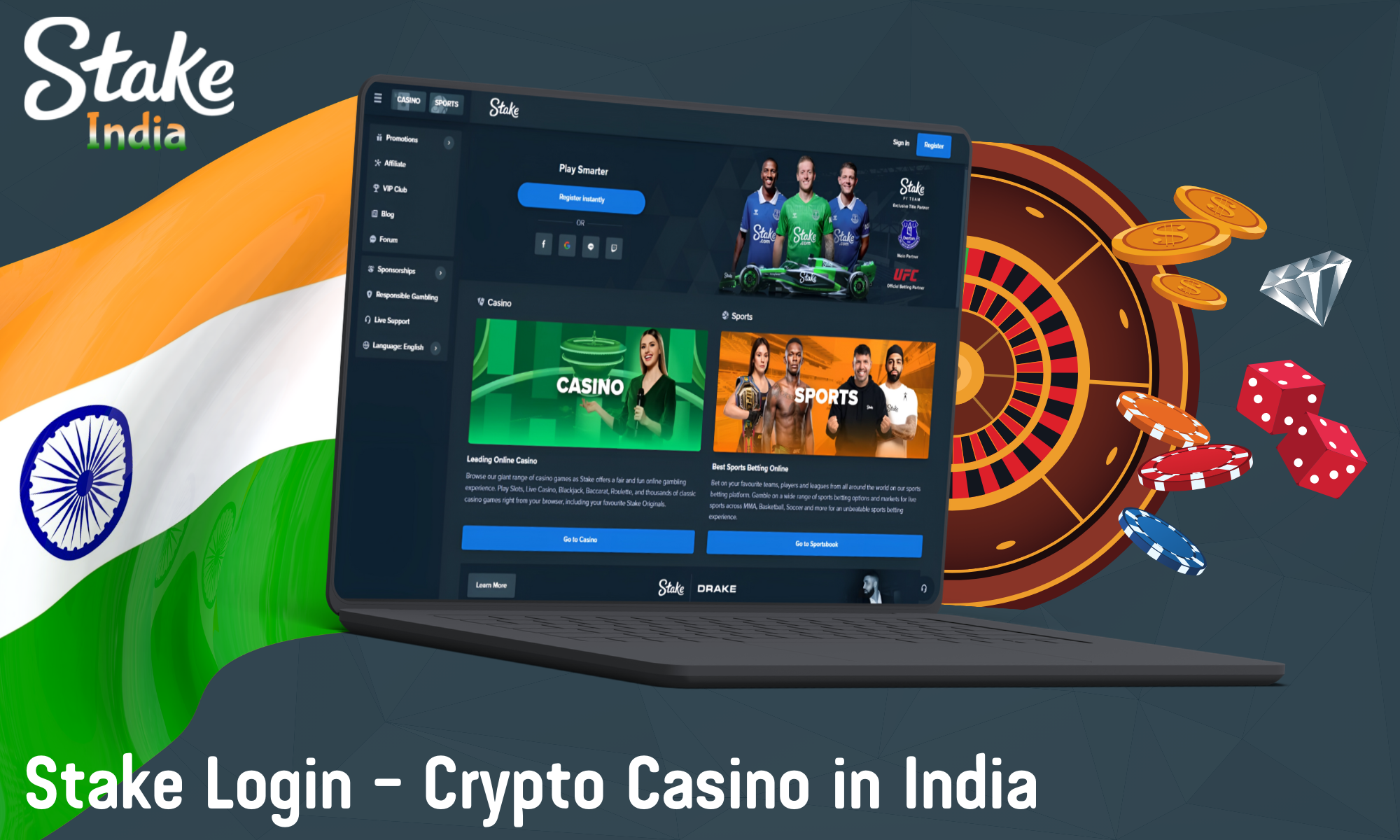
I have spent considerable time examining the details of obtaining premium live dealer content across various jurisdictions, and I understand the specific interest surrounding Stake Casino stakes-casino.eu.com. Traversing the environment of interactive gaming demands a clear understanding of platform mechanics, regional accessibility, and the technical resources that span the gap between a player and a real-time studio. The appeal of live casino games lies in their ability to replicate the sophisticated atmosphere of a brick-and-mortar establishment straight on a screen. When I examine Stake Casino, I observe a platform built on a modern interface that focuses on speed and transparency. However, the geographical restrictions implemented by regulatory frameworks often generate a layer of complexity that requires a precise, step-by-step approach to secure uninterrupted access to live dealers, real-time card shuffles, and the spinning roulette wheel.
Understanding the Regulatory Framework for Digital Gaming
Before I go into the technical mechanics, I have to address the legal environment that dictates how platforms operate. The legal framework in many territories separates between conventional fixed-odds betting and digital peer-to-peer or house-banked games. I have noted that operators carrying specific international licenses often restrict service availability to conform with local jurisdiction. When I examine the access protocols for a site like Stake Casino, the limitation is not a matter of technical inability but of legal conformity. The platform utilizes geolocation verification to ensure it conforms to licensing conditions. This means that the main barrier between a user and a live blackjack table is a virtual geo-fence. Grasping this helps me recognize that the remedy lies in legitimate privacy tools rather than dubious workarounds. The objective is to reestablish the link that the licensing geography breaks, always honoring the terms of use set by the provider.
Comprehensive Arrangement for Live Stream Entry
I begin the process by erasing my browser cache fully to wipe any cached location markers. Then, I turn on my VPN client and choose a remote server located in a region where Stake Casino’s live games are functioning without restriction. I prefer using exclusive streaming servers if my VPN provider offers them, as these are optimized for high bandwidth. Once the VPN connection indicator shows a secure green light, I open a fresh incognito browser window. I then navigate to the official Stake Casino URL. The platform should currently read the IP address of the VPN server and display the full, unrestricted user interface. Upon login, I always enable Two-Factor Authentication using an authenticator app instead of SMS, as this ties security tightly to my physical device rather than a phone number that might hint at my actual location. This sequence of digital hygiene forms a perfect entry point.
Bypassing Common Authentication Obstacles
Even with a robust VPN, I sometimes run into challenges triggered by heavy-handed browser fingerprinting or stale DNS data. If the platform loads but the live lobby doesn’t to load, I right away purge my Domain Name System cache using the command line tool unique to my operating system. I have noticed that altering my DNS settings to a public, privacy-focused resolver can solve latent geolocation conflicts that a VPN alone cannot hide. Another roadblock I frequently notice is the platform denying a session due to WebRTC leaks. WebRTC can expose my local network details even when the VPN is running. I consistently deactivate WebRTC in the browser privacy settings or use a specialized browser extension that stops these leaks. If I get an account verification request, I treat it calmly as a standard compliance check, making sure any documentation provided correlates with the identity profile I created during registration, while still maintaining my connection security.
Handling Financial Transactions efficiently
The financial framework of Stake Casino is founded on digital assets, which presents a distinct edge in transaction speed versus traditional banking rails. I favor using cryptocurrencies like USDT or Ethereum for my live casino bankroll because they eliminate the processing delays created by fiat intermediaries. When I enter the platform through my configured environment, I perform a single deposit into the vault to act as my session capital. The immediate confirmation of blockchain transfers guarantees that I never miss a seat at a high-demand Lightning Roulette table. It is crucial to confirm the network selection before approving a deposit; sending funds on the wrong blockchain can cause asset loss. I always maintain a separate, dedicated wallet for my entertainment funds, separating it from my primary savings. This practice builds a disciplined bankroll buffer that safeguards my capital while experiencing the swift, low-friction deposit and withdrawal process that characterizes the platform’s cashier.
How Stake Casino’s Live Lobby Excels

The live casino lobby at Stake Casino is a curated collection of high-definition streams that compete with the production quality of television broadcasts. I am always impressed by the presence of industry-leading suppliers like Evolution Gaming and Pragmatic Play Live. When I open the lobby, I am greeted by a user interface that clears away clutter, centering completely on the dealer and the game. The chat functionality is strong, allowing me to engage not just with the croupier but with a lively community of players. This social layer converts a simple card game into an enthralling spectacle. The platform offers everything from classic VIP tables with sky-high limits to original game shows that combine augmented reality with live hosts. The streaming technology used here is flexible, meaning it adapts to my connection speed without compromising picture clarity, which is vital for reading card values or watching the ball drop in the exact pocket of the roulette wheel.
Enhancing Bandwidth for Perfect Dealer Streams
Casino live streaming consumes significantly greater bandwidth than standard slot play due to the high-resolution video feed from the studio. I mistrust public Wi-Fi networks for this activity not just because of security risks, but because throttled bandwidth leads to frame drops. I insist on a stable fiber or high-speed cable connection with a minimum of 10 Mbps reserved solely to the stream to maintain HD clarity. Inside the game interface, I often adjust the video quality settings, fixing them to a medium-high tier rather than automatic. This prevents sudden resolution switches that disrupt the immersive feel of the table. Additionally, I systematically close background applications that sync to the cloud, as these micro-uploads can create jitter in the live feed. A lean machine ensures that the audio from the dealer remains perfectly synchronized with the visual dealing of cards, allowing me to read the table without interruption.
Necessities for a Safe Connection Establishment
To replicate a domestic connection from a limited region, I require to use a Virtual Private Network, commonly known as a VPN. The function of a VPN in this scenario is essential; it functions as an encrypted tunnel, masking my actual IP address and substituting it with one from a server situated in a jurisdiction where the offering is readily available. I always advise picking a top-tier, no-logs VPN provider because the velocity and safety of the connection are mandatory for live streaming. A low-quality proxy will create latency, leading to the stream to lag mid-hand, which is a critical failure in a time-sensitive game choice. Additionally, I verify that my VPN has a kill-switch function. If the secured connection drops abruptly, the kill-switch promptly cuts my internet, blocking my true IP address from being revealed to the platform’s geolocation verification server, thus maintaining a clean access record.
Responsible Conduct at the Real Tables
As much as I focus on the technical gateway to the games, I assign equal value to my actions once seated at the live table. The presence of a real human dealer demands a degree of manners that anonymity does not eliminate. I engage with the chat box favorably and honor the dealer’s time limits for placing bets. The engaging character of the studio environment can accelerate decision-making, so I utilize the platform’s responsible gaming tools in advance. I establish strict session time limits and loss caps within the account settings before a single card is dealt. I view live casino sessions as a top-tier entertainment expense, not a revenue plan, and I arrange my playing time in blocks with mandatory intermissions. This mental framework guarantees that the rush of the real-time interaction continues to be a source of positive enjoyment, and the accessibility tools I have configured help to enhance my leisure time rather than disturb my financial discipline.
Preserving Privacy Across Long-Term Sessions
Consistent access throughout months necessitates standard digital housekeeping. I regularly rotate my VPN endpoint after several sessions, alternating between different server locations and IP addresses to prevent developing a predictable digital signature. I rarely store my main trading wallets directly on the gambling interface for extended periods; I withdraw excess capital to my private cold storage right away after a winning session. I also use a dedicated, sanitized browser profile solely for this access point, preventing social media cookies and tracking scripts from associating my gaming activity with my personal identity. This division of digital avatars is crucial for persistent anonymity. By viewing privacy as a continuous practice rather than a one-time fix, I keep a stable buffer against policy changes or network monitoring. The ultimate goal is to facilitate a seamless, private bridge to the tables that works invisibly in the background, allowing the quality of the software and the professionalism of the dealers to shine without interruption or concern.
Obtaining a reliable route to the live dealer floor at Stake Casino hinges on a blend of rigorous network privacy, platform literacy, and behavioral etiquette. I have outlined the technical configuration required to bypass regional mapping while emphasizing the critical nature of high-bandwidth connections and transaction discipline. By systematically applying these privacy tools and session management strategies, I transform a geographically restricted environment into a frictionless, cinema-quality interactive experience. The ability to join a live table is not about simply finding an open door, but on constructing a secure personal tunnel that safeguards my data and assures the stream remains as consistent as a clockwork mechanism. When these elements converge, the barrier of geography dissolves completely, presenting only the pure dynamic between myself and the authentic game unfolding in real time.